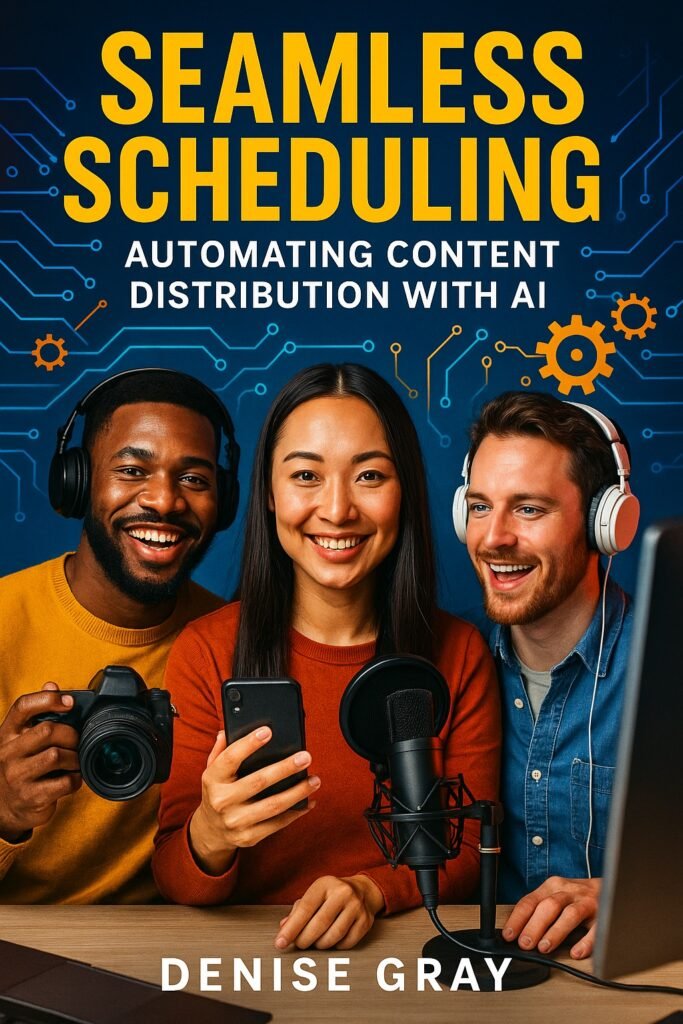
The Importance of Automating Your Creative Process
In today’s fast-paced digital landscape, the ability to generate and distribute content efficiently is paramount. Automation plays a crucial role in enhancing productivity and effectiveness, particularly for marketers, entrepreneurs, and content creators. By implementing a seamless scheduling automating content strategy, individuals can devote more time to high-value tasks that require human creativity and insight, while ensuring that their output remains consistent and timely.
Traditionally, the creative process has been marked by time-consuming manual tasks, from coordinating schedules to ensuring that various pieces of content are shared on multiple platforms. However, by embracing automation, these individuals can streamline their workflows. For instance, an automated content calendar can manage publishing times and provide reminders, allowing content creators to focus on crafting compelling narratives rather than getting bogged down by administrative duties. This shift not only improves efficiency but also helps maintain the quality and relevance of the content being produced.
Artificial Intelligence (AI) is at the forefront of this transformation. With advanced algorithms capable of analyzing data trends and user behaviors, AI tools can optimize the scheduling of content. These tools allow for personalized content distribution, ensuring that the right messages reach the right audiences at the ideal times. Moreover, seamless scheduling automating content via AI can lead to innovative content suggestions based on user engagement outcomes, ultimately enhancing the creative process.
In essence, automating the creative process with AI not only liberates creators from mundane tasks but also paves the way for more strategic and impactful content production. As the digital environment continues to evolve, utilizing automation will be crucial in not only keeping pace but excelling in delivering valuable content that resonates with audiences.
Key Features of ‘Seamless Scheduling: Automating Content Distribution with AI’
‘Seamless Scheduling: Automating Content Distribution with AI’ offers a rich compilation of features designed to enhance the efficiency and effectiveness of content distribution strategies. At its core, one of the standout attributes is the automation of content calendars. This feature allows creators to manage their publishing schedules effortlessly, ensuring that content is distributed at optimal times without the burden of manual adjustments. By harnessing the capabilities of AI, creators can focus on producing high-quality materials while the scheduling component operates seamlessly in the background.
In addition to content calendar automation, the book delves into leveraging AI tools for distribution. These tools can analyze various distribution channels and identify the most effective ones for specific content types and audience segments. By utilizing these insights, writers and marketers can significantly amplify their outreach, ensuring that their content reaches the right audience at the right moment. This intelligent distribution strategy not only saves time but also elevates the probability of audience engagement and conversion.
Furthermore, the incorporation of predictive analytics stands out as a vital feature in this book. The ability to anticipate audience preferences and behaviors enables content creators to tailor their approaches, enhancing engagement rates. By analyzing past interactions and patterns, AI tools provide invaluable insights that inform future content strategies, fostering a feedback loop that continually refines one’s outreach efforts. Each of these features—automating content calendars, utilizing AI for strategic distribution, and engaging predictive analytics—contributes significantly to a more streamlined and effective content creation process.
Practical Strategies for Implementing AI in Content Distribution
As organizations increasingly recognize the importance of automating content distribution, implementing artificial intelligence (AI) can greatly enhance the efficiency and effectiveness of these processes. Among the key strategies for achieving seamless scheduling automating content distribution is the utilization of various AI-powered tools that streamline operations and foster innovative approaches.
Firstly, organizations should consider adopting AI tools like Buffer or Hootsuite for social media scheduling. These platforms not only allow users to schedule posts in advance but also leverage AI to analyze engagement data, thus recommending optimal posting times. This ensures that content reaches the target audience when they are most active. For email distribution, utilizing a service like Mailchimp, which offers AI-driven insights, can help fine-tune campaigns for better results. By automating email campaigns based on user behavior, companies can greatly enhance their outreach and engagement.
Additionally, collaborating with influencers can be made more seamless by utilizing AI tools such as AspireIQ, which help identify and manage relationships with influencers who align with brand values. Engaging with partners who utilize data-driven approaches increases the chances of successful campaign outcomes. To facilitate these collaborations, set clear guidelines and utilize project management tools like Trello to maintain communication and workflows.
Despite these advantages, potential challenges such as data privacy concerns and the learning curve associated with new technologies may arise. Organizations can overcome these obstacles by investing in training for their teams and ensuring compliance with data protection regulations. Moreover, continuously gathering feedback from team members can lead to the refinement of processes, ultimately creating a culture of adaptability and improvement.
Future Trends in Content Marketing and AI Integration
As the digital landscape continues to evolve, the role of artificial intelligence (AI) in content marketing is set to undergo substantial transformation. One of the key trends on the horizon is the integration of advanced analytics to enhance how marketers assess audience behavior and content performance. By leveraging data-driven insights, brands can refine their strategies significantly and ensure that their messaging resonates with target demographics, making seamless scheduling automating content more effective than ever.
Machine learning advancements are also playing a pivotal role in shaping the future of content marketing. AI can analyze vast amounts of data at unparalleled speed, identifying patterns and predicting how consumers may react to specific content types. This predictive capability allows marketers to tailor their strategies proactively rather than reactively. For instance, understanding consumer sentiment through AI can guide the creation of more personalized and engaging content offerings, fostering a deeper connection with audiences.
Changes in consumer behavior, particularly the growing preference for interactive and personalized content, are driving marketers to innovate continually. With AI’s ability to automate various content tasks, brands can deliver unique consumer experiences through seamless scheduling automating content, resulting in improved engagement rates and conversions. This shift emphasizes the importance of adapting content strategies to harness AI effectively and meet evolving consumer expectations.
As we look ahead, it is crucial for professionals in the field to stay abreast of these emerging trends. By understanding how AI can facilitate not just content creation but also distribution and engagement, marketers can position themselves to remain competitive in an increasingly saturated marketplace. Embracing the integration of AI in content marketing will be a determining factor in developing innovative methodologies that appeal to the sophisticated consumer of tomorrow.